Nepal has more world-class trekking per square kilometre than any country on earth. Eight of the ten highest mountains on the planet are here, the national park network gives you legal access to the best of them, and the teahouse infrastructure built up over fifty years means you can walk for three weeks in the high Himalaya without carrying a tent or a stove. What you do carry is a pack, sturdy boots, and the knowledge to pick the right trek for the right time of year. This guide covers that last part.
In This Article
- The critical rule change — you need a guide now
- The three main trekking regions
- Annapurna region
- Everest region
- Langtang region
- The restricted areas — Upper Mustang, Upper Dolpo, Manaslu
- Permits — the system
- Teahouse trekking — the infrastructure
- Seasons — when to actually go
- Gear — what you actually need
- How to pick a trek
- How to book
- The honest reality
The critical rule change — you need a guide now
Before anything else: as of April 2023, independent/solo trekking has been banned across Nepal’s national parks and conservation areas. You must hire a government-licensed guide, registered through the Trekking Agencies Association of Nepal (TAAN). The change was pushed through after several high-profile solo-trekker disappearances and, cynically, to funnel more revenue to the local trekking industry. It’s enforced inconsistently but is actively enforced on the popular routes.
Practical implication: factor $25-40 per day for a guide into every trekking budget. Most trekkers also hire a porter at $15-25/day. A good guide will handle permits, teahouse bookings, translation, route-finding in unclear sections, and altitude-sickness monitoring. It’s not a bad rule even if you resent being forced into it.
The three main trekking regions
Nepal’s trekking geography has three major zones, each with distinctive character, a signature trek, and a handful of shorter variants.
Annapurna region
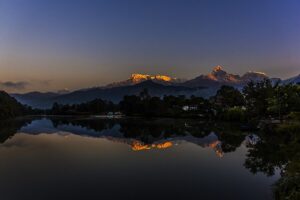
The Annapurna massif is in central Nepal, accessed from Pokhara (a 25-minute flight from Kathmandu). The region holds the most-walked trekking routes in the country thanks to well-developed teahouse infrastructure and a generous range of difficulty.
- Annapurna Circuit — 15-21 days, 160-230 km depending on where you start and end. Crosses the Thorong La pass at 5,416 m. The classic long Himalayan trek. The north side (Manang) has Tibetan-Buddhist character, the south side (Ghorepani, Tatopani) is Hindu and lower-altitude.
- Annapurna Base Camp (Sanctuary Trek) — 7-12 days. Walks up a dramatic glacial valley into a huge amphitheatre ringed by 6,000 m and 7,000 m peaks. The most scenic short-to-medium trek in the country.
- Poon Hill — 4-5 days, short and accessible. Classic sunrise viewpoint at 3,210 m looking across Annapurna and Dhaulagiri. Good first-Himalayan-trek pick.
- Mardi Himal — 4-6 days. A newer, less-trafficked route up to a ridge at 4,500 m with close-up Machapuchhare views.
Everest region
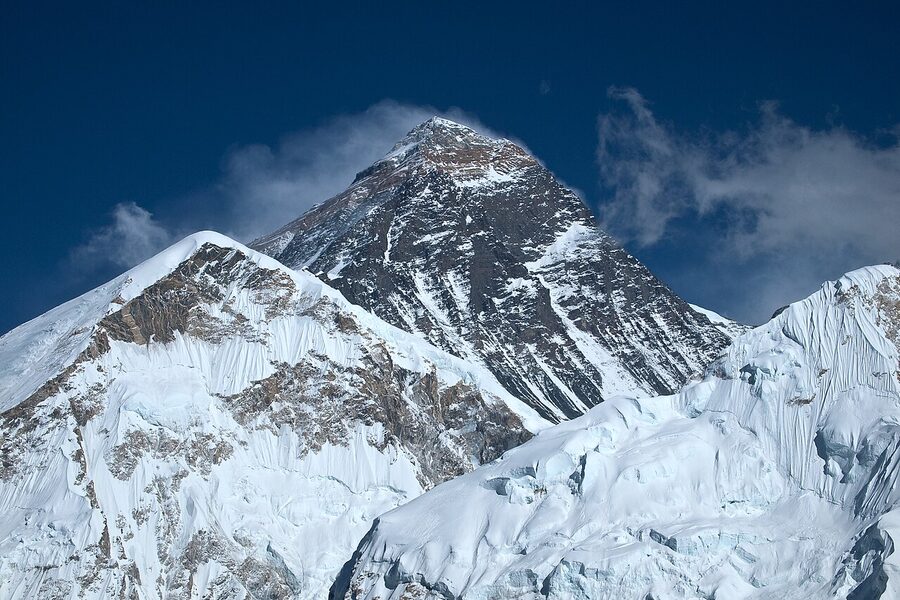
The Solu-Khumbu district, accessed by flying to Lukla (one of the most weather-dependent flights in Nepal — see our airlines guide). The Everest region sits inside Sagarmatha National Park — a UNESCO World Heritage Site.
- Everest Base Camp (EBC) — 12-14 days. The famous one. Peaks out at 5,545 m at Kala Patthar. Summit success (or arrival at base camp) rate is around 85% among people who complete the trek; the 15% that don’t either turn back with AMS or get weather-affected on the fly-in.
- Gokyo Lakes — 10-13 days. Alternative to the main EBC route heading to the Gokyo valley and Gokyo Ri (5,357 m) for arguably a better Everest view than Kala Patthar. Fewer people.
- Three Passes Trek — 18-22 days. Combines EBC, Gokyo, and three high passes (Renjo La, Cho La, Kongma La). Serious undertaking, fit trekkers only.
- Pikey Peak — 5-6 days. Lower-altitude Everest-region alternative at 4,065 m. Good for people short on time or unable to fly to Lukla.
Langtang region
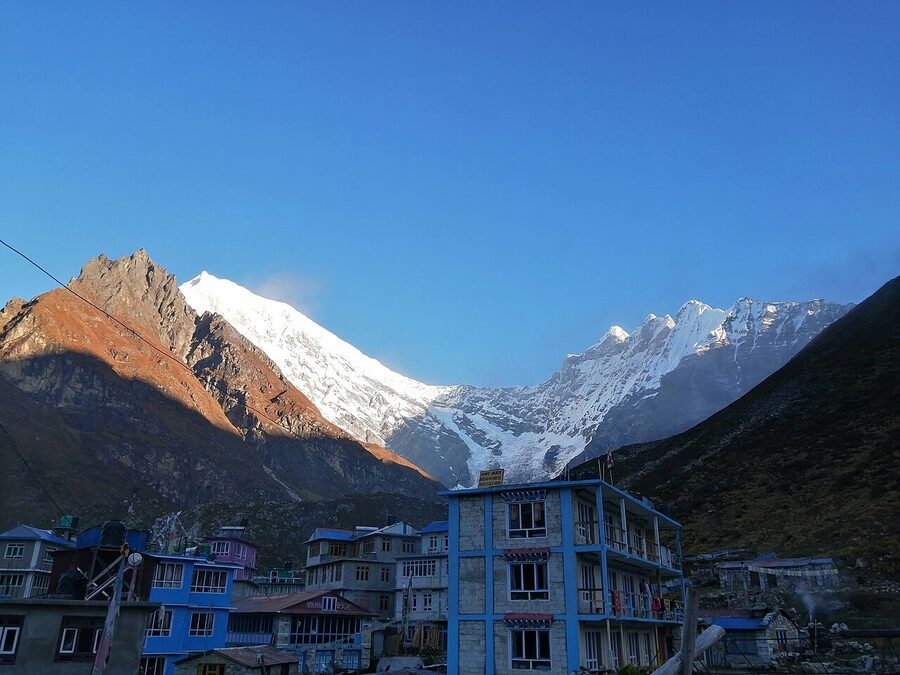
North of Kathmandu, accessed by a long half-day bus or jeep ride to Syabrubesi. The quietest of the big three and closest to the capital.
- Langtang Valley — 7-9 days. Up a glacier-carved valley to Kyanjin Gompa at 3,870 m. Tamang and Sherpa villages, still rebuilding after the 2015 earthquake which devastated the area.
- Helambu Trek — 4-7 days. Lower-altitude (under 3,700 m) loop through Sherpa villages east of Langtang. Good cultural trek.
- Tamang Heritage Trail — 6-8 days. Cultural focus on Tamang villages, hot springs at Tatopani, and optional extension into Langtang Valley.
- Gosaikunda Lakes — 5-7 days. Sacred Hindu pilgrimage lakes at 4,380 m, crossable to the Helambu side via the Laurebina La.
The restricted areas — Upper Mustang, Upper Dolpo, Manaslu
Several regions of Nepal are classified “restricted” and require special permits beyond the standard TIMS card and national park entry. The big three:
- Upper Mustang — Tibetan-plateau geography, medieval walled city of Lo Manthang, caves, red-rock canyons. Restricted-area permit $500 per person per 10-day period plus a $50/day extension, minimum 2 people, must be with a registered agency. 10-14 day trek.
- Upper Dolpo — same permit structure ($500/10-day, 2-person minimum). Further west than Mustang, crosses 5,000 m+ passes, more remote, fewer visitors. 18-22 day trek.
- Manaslu Circuit — a cheaper restricted-area permit ($100 for first week, $75 for additional week in high season; half in low season). 14-18 day circuit around the 8,163 m Manaslu peak, crossing the Larkya La at 5,106 m. Growing in popularity as an Annapurna Circuit alternative since the latter got roaded.
For restricted areas in particular, the mandatory-guide rule is strictly enforced. You literally cannot enter Mustang or Dolpo without an agency arrangement.
Permits — the system
Nepal’s trekking permit system has three layers:
- TIMS (Trekkers’ Information Management System) card — required for all trekking. NPR 2,000 ($16) for organised treks, NPR 1,000 for SAARC nationals.
- National Park / Conservation Area entry permit — varies by park. Sagarmatha NPR 3,000, Langtang NPR 3,000, Annapurna Conservation Area (ACAP) NPR 3,000, Chitwan NPR 2,000. See our national parks guide for the full table.
- Restricted Area Permit (RAP) — only for Upper Mustang, Upper Dolpo, Manaslu, Tsum Valley, Nar Phu, Humla. $50-500 per person depending on area and duration.
Permits are processed in Kathmandu or Pokhara (Pokhara for Annapurna-region treks). Your trekking agency handles this for you on a package booking — budget 1-2 days in Kathmandu or Pokhara for permit processing.
Teahouse trekking — the infrastructure
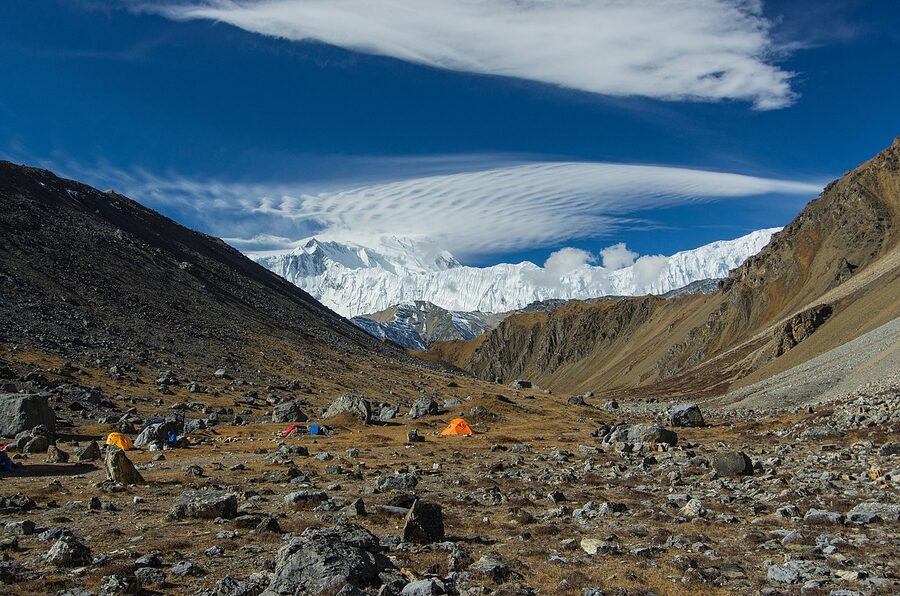
The defining feature of Nepali trekking is the teahouse network. Simple lodges spaced roughly a day’s walk apart along all popular trekking routes, owned and operated by local families. You get a private room (basic, often unheated), three meals a day (menu is usually dal bhat, momos, noodles, eggs, potatoes), a communal dining room with a yak-dung stove, and a shared bathroom.
Costs on the main trekking routes:
- Room: NPR 500-1,500 per night ($4-12) — cheaper on the side-routes, more expensive on EBC and ACB in peak season.
- Meals: NPR 500-1,500 per plate ($4-12) — prices rise with altitude because everything is carried up on porters’ backs or yak caravans.
- Hot shower: NPR 300-800 ($2.50-$6.50) — some places use solar-heated bags, others have gas-fired systems.
- Charging a phone: NPR 200-500 per device.
- Wifi: NPR 300-600 per device per day, quality ranges from “adequate for WhatsApp” to “borderline unusable.”
Total on-trail cost per day for a trekker in 2026: $35-60 including room, meals, drinks, and miscellaneous. The mandatory guide ($25-40/day) is separate and not usually included in teahouse pricing.
Seasons — when to actually go
There are effectively two trekking seasons in Nepal, separated by the monsoon and winter.
Spring (March to May): rhododendron blooms in April are legendary across the mid-elevations. Temperatures are pleasant — cold at altitude but below 4,000 m comfortable. Crowds build through April; early May is peak. Pre-monsoon haze starts by mid-May in the foothills but higher elevations stay clear.
Autumn (late September to early December): the best season. Monsoon rains have cleared the air, skies are crisp, temperatures moderate through October. The first two weeks of October are peak crowds; late October and November are arguably better for fewer people plus excellent visibility. Early December starts getting genuinely cold at altitude.
Winter (December to February): cold (overnight below -15°C at altitude), high passes snow-blocked, fewer trekkers. Only some routes practical — lower Annapurna, Poon Hill, lower Langtang. Specialist photography trips come in this window for the cleanest mountain air.
Monsoon (June to mid-September): generally avoid. Trails are muddy, leeches are active below 2,500 m, landslides block roads, flights cancel. Exception: the rain-shadow zones — Upper Mustang, Upper Dolpo — are dry through monsoon and actually a good time to visit those specifically.
Gear — what you actually need
Your trekking agency or guide can rent you most of the big items in Kathmandu or Pokhara for a fraction of retail prices. Essentials to bring versus rent:
- Bring your own: boots (must be broken-in), base layers, socks, a mid-layer fleece, sunglasses (UV CAT 4 for high altitude), medication, camera, headlamp, water bladder or bottles.
- Rent in Kathmandu: down jacket (800-fill, hooded), -20°C sleeping bag, gaiters, down pants if you need them, trekking poles. Thamel rental rates are NPR 200-500 per day per item.
Don’t cheap out on boots or sunglasses. The rest can be rented.
How to pick a trek
For a first Nepal trek with limited time: Poon Hill (5 days), Mardi Himal (5 days), or Langtang Valley (7 days). You’ll get the Himalaya experience without the altitude commitment.
For a first serious Himalayan trek with 2 weeks: Annapurna Base Camp (10 days) or the Everest Base Camp trek (12-14 days). Both are achievable for fit, healthy people with good planning. EBC is more iconic; ABC is arguably more scenic and less crowded.
For a second Nepal trek or a return visitor: Manaslu Circuit (16 days), Gokyo Lakes (12 days), or one of the less-trafficked Annapurna variants.
For a specialist / experienced trekker: Three Passes (EBC region), Upper Mustang, Upper Dolpo, Kanchenjunga Base Camp. These need 3+ weeks and are genuinely difficult.
For a cultural focus over altitude: Helambu, Tamang Heritage Trail, or Tsum Valley. Under 4,000 m, Sherpa and Tamang village life, slower pace.
How to book
Given the mandatory-guide rule, the practical options are:
- Kathmandu-based trekking agency — the standard. 200+ agencies cluster in Thamel. Quality varies wildly. Vet by asking for specific guide certifications, check online reviews (not the agency’s own site — use TripAdvisor or AllTrails), and avoid anyone quoting more than 20% below typical market prices.
- International tour operator — 2-3x the price but bundles flights, insurance, gear, and a Western-brand operator responsible. Options: Much Better Adventures, Exodus, World Expeditions, G Adventures.
- Guide-finder app — Sherpana is Nepal’s attempt at a “trekking guide Uber” — verified independent guides on demand. Cheaper than agency rates if you want to build a custom trip.
Typical 2026 pricing for an 11-day EBC trek, all-inclusive from Kathmandu (flights, guide, porter, permits, lodging, meals): $1,200-$2,400 with a local agency, $2,800-$4,500 with an international operator.
The honest reality
Nepal trekking is easier than its reputation suggests and harder than the Instagram version. The altitude is real — any trek above 3,500 m brings legitimate acute mountain sickness risk. The cold at altitude is real — EBC in November is -20°C at night. The logistics are real — flights cancel, permits take days, agencies vary in quality. But so is the payoff. Very few experiences in modern travel deliver on their reputation as fully as trekking to Annapurna Base Camp or Everest Base Camp on a clear autumn morning.
For what to do after you book — which airlines you’ll fly, which national park you’re entering, whether you want to add a trekking peak to the end of your trek — the other articles on this site tie into the planning. Start with the domestic airlines guide for transport, the national parks guide for the parks you’ll walk through, and the trekking peaks guide if you’re thinking about climbing rather than just walking.