Nepal has the clearest seasons of any travel destination you’ll encounter — four distinct windows that each do completely different things to the landscape, the trekking, the wildlife, and the crowds. Get the timing right and a Nepal trip is transformative. Get it wrong and you’ll spend two weeks looking at clouds and waiting for cancelled flights.
This guide breaks down exactly what each season means for each type of trip, with honest picks on the trade-offs (fewer crowds vs worse weather, peak prices vs peak scenery).
In This Article
- The four Nepal seasons in one table
- Autumn (late September to November) — the prime season
- Micro-timing within autumn
- Spring (March to May) — the second-best window
- Winter (December to February) — the quiet season
- Monsoon (June to mid-September) — the off-season
- Month-by-month quick picks
- My short answer
The four Nepal seasons in one table
| Season | Months | Weather | Best for |
|---|---|---|---|
| Autumn | Late Sept – Nov | Clear, mild, crisp | Trekking, mountain views, everything |
| Spring | March – May | Warm, occasional haze | Trekking, rhododendrons, climbing |
| Winter | Dec – Feb | Cold, often clear | Terai safari, cultural tourism, quiet treks |
| Monsoon | June – mid-Sept | Rainy, muddy, cloudy | Upper Mustang/Dolpo rain-shadow treks, budget trips |
Autumn (late September to November) — the prime season
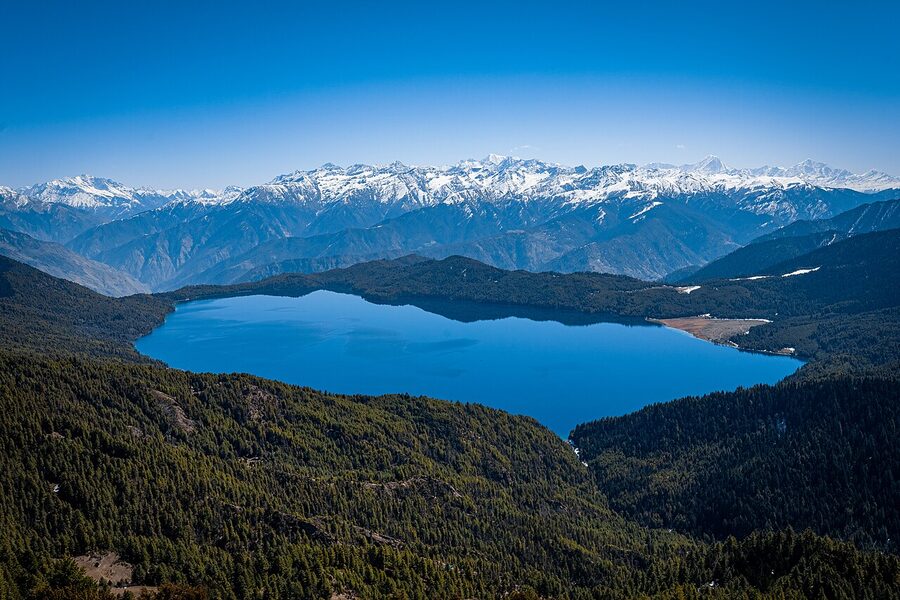
This is when Nepal looks like Nepal in the brochures. The monsoon has cleared the air, the mountains are visible from hundreds of kilometres away, temperatures are mild at low altitudes and tolerable at high. It’s also when Nepal’s two biggest festivals — Dashain (mid-October) and Tihar (early November) — fill the country with public holidays, family gatherings, and decoration.
What to expect:
- Temperatures: 15-25°C in Kathmandu and Pokhara, 0 to -15°C overnight at 4,500 m+
- Skies: clear in morning, building light cloud in afternoon
- Trekking conditions: ideal. Trails dry, passes open, teahouses fully staffed
- Mountain visibility: excellent — the most reliable window of the year
Downsides:
- Crowds peak in the first two weeks of October on popular trails
- Hotel prices 30-50% above off-season
- Lukla flights book out 3-4 weeks ahead
- EBC and ABC teahouses often fully booked
Best for: first-time trekkers, mountain photographers, anyone who wants the “best” Nepal experience and doesn’t mind paying premium.
Micro-timing within autumn
- Late September: monsoon tail — skies still unpredictable for 2 weeks. Book this window only for flexible itineraries.
- First half of October: peak crowds, peak visibility, peak festival activity. Kathmandu is electric during Dashain.
- Second half of October: arguably the single best fortnight in Nepal. Crowds thinning, weather still excellent.
- November: quieter, colder, clearest skies of the year. Great for photographers.
Spring (March to May) — the second-best window
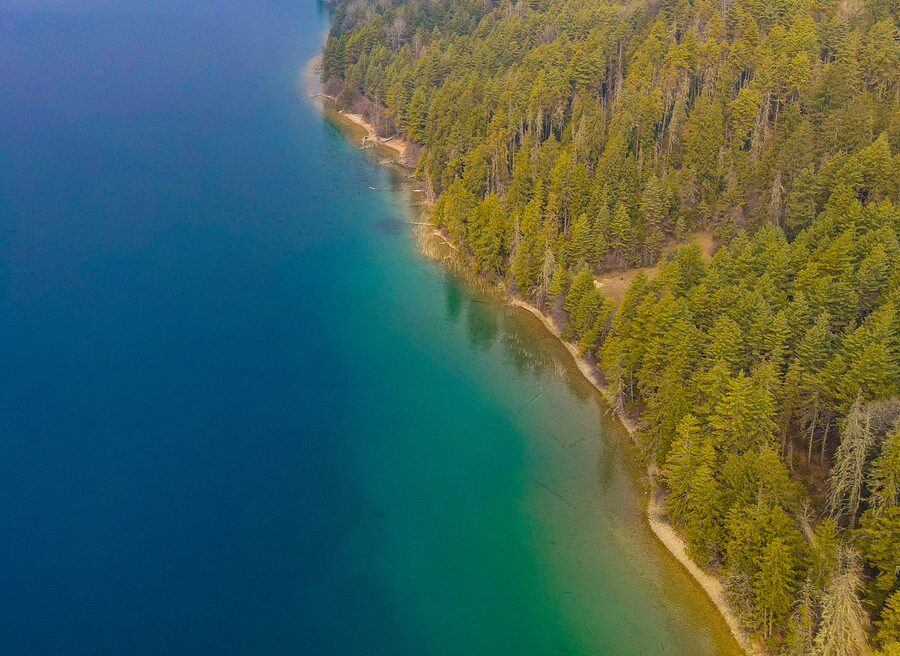
Spring is autumn’s less-famous twin. Temperatures warmer, rhododendrons blooming at mid-elevations (especially late March through April), pre-monsoon haze increasing as you move into May. This is also Nepal’s main climbing season — Everest expeditions launch in late April, and most 8,000-metre attempts happen in this window.
What to expect:
- Temperatures: 20-28°C in cities (warmer than autumn), 5 to -10°C at high altitude
- Skies: morning clarity, afternoon cloud buildup, occasional thundershowers by late April
- Rhododendrons bloom mid-elevations through April — the Annapurna and Ghorepani forests are Instagram-perfect
- Trekking conditions: excellent
- Mountain visibility: excellent in March, degrading by mid-May as haze builds
Downsides:
- Pre-monsoon haze can reduce visibility at lower elevations from late April
- Base camp areas for Everest and Lhotse are full of climbing expeditions
- Occasional afternoon thundershowers by early May
Best for: climbers, rhododendron-bloom lovers, trekkers who want slightly warmer temperatures than autumn. March-early April is preferable over late April-May.
Winter (December to February) — the quiet season
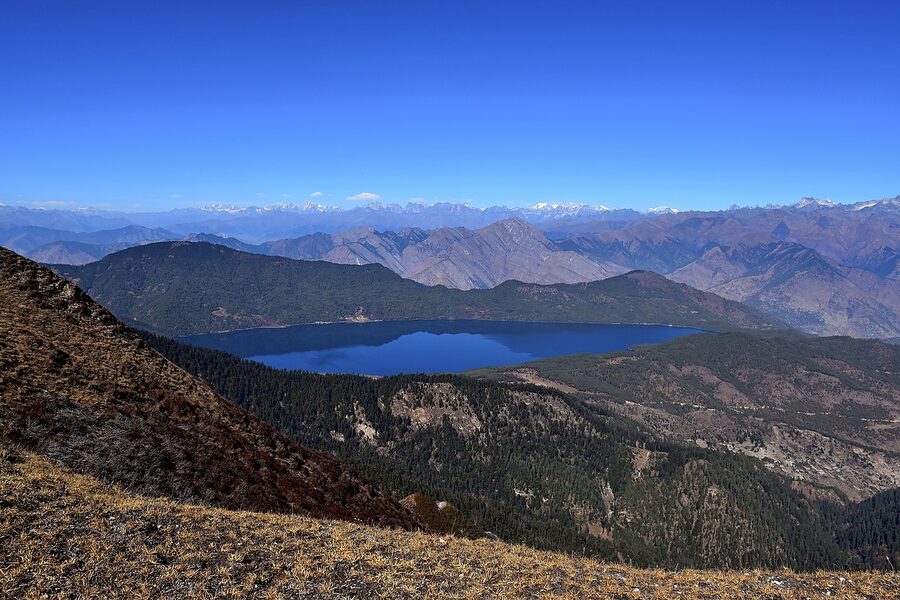
Nepal in winter is a sleeper-hit season. The air is at its clearest (coldest air holds the least moisture), many treks are still achievable at lower elevations, and the country is genuinely quiet. The trade-off is cold — real cold, especially at altitude — and limited trekking access to the high passes.
What to expect:
- Temperatures: 5-15°C days in Kathmandu, down to 0°C overnight; -20°C overnight at 4,500 m
- Skies: often cloudless for days at a time — the best mountain photography of the year
- Trekking conditions: difficult on passes above 5,000 m (Thorong La, high EBC sections, Three Passes closed). Good on lower routes (Poon Hill, Mardi Himal, lower Annapurna, lower Langtang)
- Terai (Chitwan, Bardia) — actually the best wildlife viewing season. Temperatures mild, short grass, easier to spot animals
Downsides:
- High passes closed or snow-risky
- Teahouses at altitude (Pheriche, Lobuche, Gorak Shep) can be fully closed in January-February
- Mountain flights cancel more often due to fog and snow on remote strips
- Genuinely cold — bring the kit
Best for: budget-conscious travellers (prices 30-50% off peak), solitude-seekers, mountain photographers, safari-focused Terai trips, non-trekking itineraries.
Monsoon (June to mid-September) — the off-season
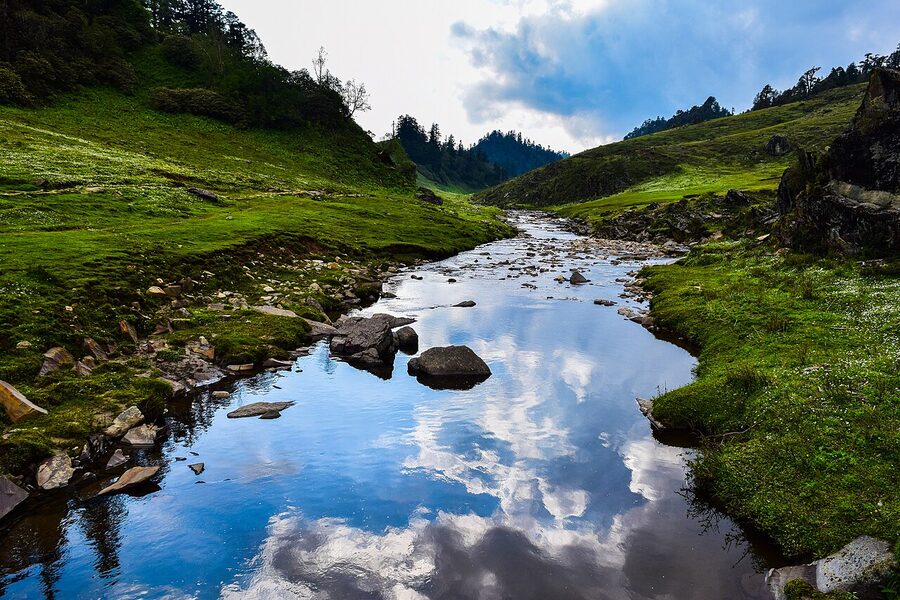
The monsoon is the window to avoid for most Nepal trips. Rain is constant, mountains are cloud-covered for weeks at a time, leeches emerge below 2,500 m, trails wash out, landslides close highways, and flights to mountain strips cancel at 40-60% rates. The tourism industry essentially shuts down — many Thamel and Lakeside guesthouses close for renovations.
Who should consider monsoon:
- Upper Mustang and Upper Dolpo trekkers: these rain-shadow regions are bone-dry during monsoon. The only time to see them without crowds. Restricted-area permits are easier to get and Lo Manthang / Phoksundo Lake are at their best.
- Budget travellers: hotel rates 40-60% off, trekking agencies desperate for bookings
- Rice-terrace photographers: the mid-hills look stunning with filled terraces and mist
- Cultural-only trips: Kathmandu Valley monasteries and temples are atmospheric in the rain
Who should absolutely avoid monsoon:
- First-time visitors
- Anyone doing mountain-view trekking (EBC, ABC, Annapurna Circuit) — pointless
- Flight-dependent itineraries (Lukla, Jomsom, Simikot)
- Any trip where leeches, wet feet, and mud would ruin it
Month-by-month quick picks
| Month | Rating | Notes |
|---|---|---|
| January | ⭐⭐ | Cold, quiet, clear. Good for Terai + lower treks + photography |
| February | ⭐⭐ | Similar to January. Temperatures starting to rise mid-month |
| March | ⭐⭐⭐⭐ | Spring season opens. Great for all-purpose trips |
| April | ⭐⭐⭐⭐⭐ | Rhododendron peak. Best spring window |
| May | ⭐⭐⭐ | Warm. Haze starts. Late climbing season |
| June | ⭐ | Pre-monsoon humidity, afternoon storms |
| July | ⭐ | Full monsoon. Upper Mustang/Dolpo only |
| August | ⭐ | Peak rain |
| September | ⭐⭐⭐ | Monsoon ending mid-month. Late September opens autumn |
| October | ⭐⭐⭐⭐⭐ | Peak season. Everything works. Crowds and prices peak too |
| November | ⭐⭐⭐⭐⭐ | Best second-half of peak season. Clearer than October |
| December | ⭐⭐⭐ | Cold setting in. Last good trekking window before winter |
My short answer
If you can only pick one month: the second half of October. Monsoon’s left, crowds are thinning from early October peak, weather is perfect, festival energy lingers, high passes are open.
If October is impossible: the first half of April. Rhododendrons are in bloom, temperatures are mild, passes are opening back up after winter.
If you want fewer people and don’t mind cold: late November or February.
If you want the rain-shadow experience: July-August in Upper Mustang or Dolpo. Unique offer.
For the full trip-planning context, see our Nepal travel guide and 2-week itinerary suggestions. For specific activities and their seasonal windows, the trekking guide has per-trek timing notes.