The Everest Base Camp trek is the single most-walked Himalayan trekking route in the world. Roughly 40,000 people per year fly into Lukla, walk the Khumbu valley trail through Namche Bazaar and Tengboche, stand in the glacier-moraine field at 5,364 m that serves as base camp, and walk back out again. It takes 12 to 14 days depending on how aggressively you pace the acclimatisation. It is not technical. It is also not easy — the altitude is genuine, the cold is real, and the 15% of people who don’t make it to base camp are usually stopped by acute mountain sickness rather than fitness.
This guide covers the standard 12-day itinerary, current costs for 2026, the hard trade-offs on route variants, permits and guides (the 2023 mandatory-guide rule applies), best seasons, and the honest framing of what the trek actually feels like day by day.
In This Article
The basics
- Duration: 12-14 days round-trip from Kathmandu (including the flights to and from Lukla)
- Start/end: Lukla Airport (2,860 m), reached by 35-minute flight from Kathmandu or 8-hour drive + short flight from Ramechhap
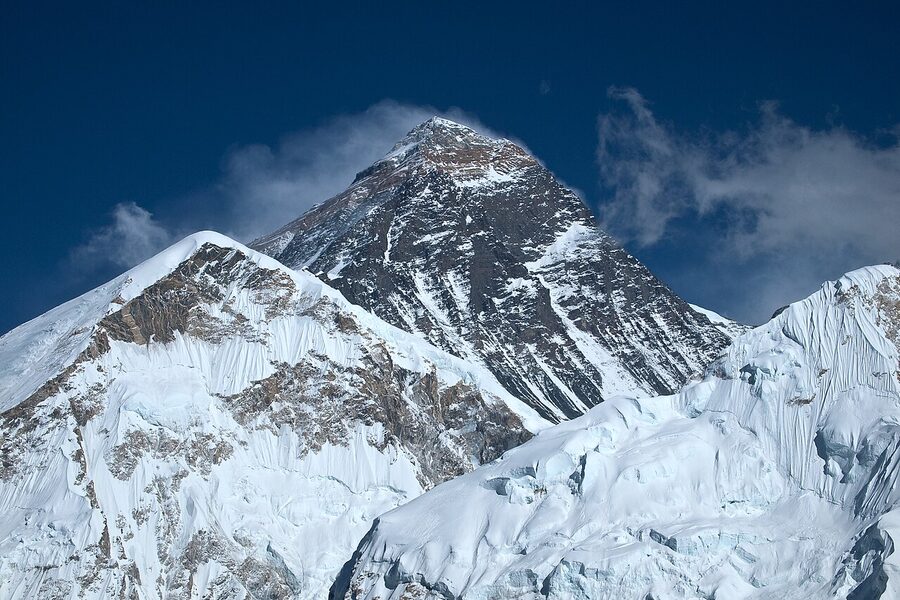
- Highest point: Kala Patthar (5,545 m) on day 10; Everest Base Camp (5,364 m) on day 9
- Total distance: ~130 km round-trip
- Accommodation: teahouse lodges the entire way — no camping needed
- Total elevation gain: ~2,700 m from Lukla to Kala Patthar
- Grade: moderate-to-strenuous. No technical climbing. Altitude is the hard part.
- Best seasons: late September to November (autumn), late March to May (spring)
- Cost: USD $1,200-$3,500 per person depending on operator and inclusions
The 12-day standard itinerary
Almost every EBC package uses a variant of this schedule. The acclimatisation days at Namche (Day 3) and Dingboche (Day 6) are non-negotiable — they’re the whole reason most people make it to base camp without getting altitude-sick.
| Day | Route | Altitude | Walking |
|---|---|---|---|
| 1 | Fly Kathmandu → Lukla; walk to Phakding | 2,860 m → 2,610 m | 3-4 hrs |
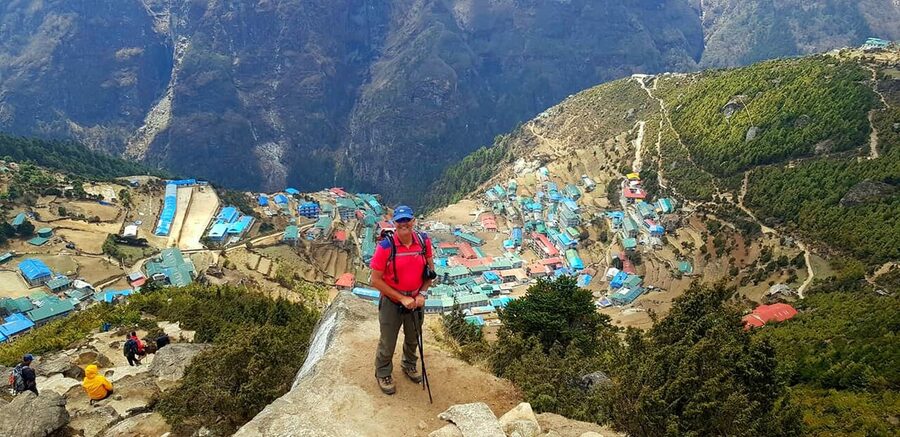
| 2 | Phakding → Namche Bazaar | 2,610 m → 3,440 m | 6-7 hrs |
| 3 | Acclimatisation day in Namche | 3,440 m (sleep) | 3-4 hrs up+back |
| 4 | Namche → Tengboche | 3,440 m → 3,860 m | 5-6 hrs |
| 5 | Tengboche → Dingboche | 3,860 m → 4,410 m | 5-6 hrs |
| 6 | Acclimatisation day in Dingboche | 4,410 m (sleep) | 3-4 hrs up+back |
| 7 | Dingboche → Lobuche | 4,410 m → 4,910 m | 5-6 hrs |
| 8 | Lobuche → Gorak Shep → EBC → Gorak Shep | 4,910 m → 5,364 m → 5,170 m | 8-9 hrs |
| 9 | Kala Patthar sunrise (5,545 m); descend to Pheriche | 5,170 m → 5,545 m → 4,240 m | 7-8 hrs |
| 10 | Pheriche → Namche Bazaar | 4,240 m → 3,440 m | 6-7 hrs |
| 11 | Namche → Lukla | 3,440 m → 2,860 m | 6-7 hrs |
| 12 | Fly Lukla → Kathmandu | 2,860 m → 1,400 m | — |
Add a 13th day in Kathmandu as buffer for Lukla flight delays — weather shuts down the airport regularly and missing your international flight because you couldn’t get off the mountain is genuinely costly. This is not optional, it’s travel-insurance-level prudent.
Getting to Lukla
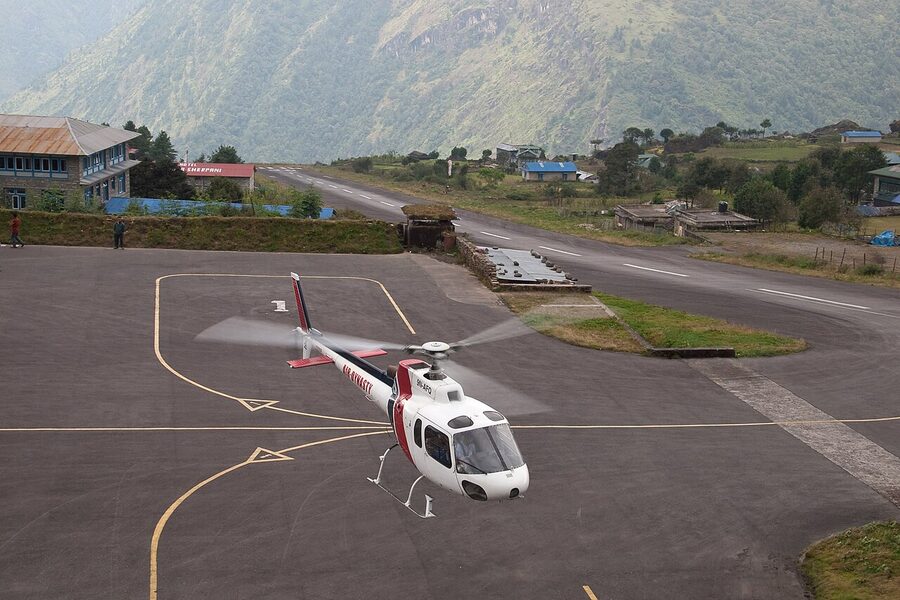
Tenzing-Hillary Airport at Lukla is reached by a 35-minute flight from Kathmandu. In peak trekking season (March-May and September-November), the flight usually departs from Manthali Airport in Ramechhap instead — you get picked up at 3 AM in Kathmandu, driven 4 hours east to Manthali, then take the 20-minute flight. Your operator handles this logistic but confirm the departure airport 48 hours before your trek.
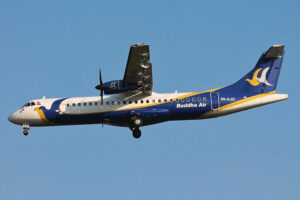
Flight costs: NPR 9,000-12,000 for Nepalis, USD 225-260 for foreigners one-way. Tara Air, Sita Air, and Summit Air are the main operators. Morning flights only — afternoon winds at Lukla close the runway.
For the full context on Nepal’s domestic aviation — including the honest safety framing — see our airlines guide.
What it actually costs in 2026
The trek has three cost tiers depending on operator:
- Budget Nepali agency: USD $1,200-$1,800 per person all-in (flights, guide, porter, permits, teahouse lodging, meals). Smaller operators, 8-10 trekkers per group, basic service but reliable.
- Mid-range Nepali agency: USD $1,800-$2,500. Better gear, more experienced guides, 6-8 per group, better teahouses in each village.
- International operator: USD $3,000-$5,500. G Adventures, Intrepid, Much Better Adventures, Exodus, World Expeditions. Western operator brand, smaller groups (4-8), better safety margins, higher markup.
What’s included in the standard package: Kathmandu-Lukla flights round-trip, licensed guide, porter (1 per 2 trekkers, carries up to 20 kg), Sagarmatha National Park entry fee (NPR 3,000), TIMS card (NPR 2,000), teahouse accommodation, three meals per day on the trek, airport pickups in Kathmandu.
What’s not included: international flights, Kathmandu accommodation (budget 2-3 nights on arrival + 1-2 buffer nights for weather), personal gear (down jacket, sleeping bag, boots — all rentable in Kathmandu), drinks and snacks on the trail (bottled water alone runs NPR 500+ at base camp), hot showers and wifi at teahouses (NPR 300-800 per shower, NPR 500+ per day wifi), tipping ($200-300 per person split across guide and porters).
Permits
Two permits required, both issued in Kathmandu before you leave:
- Sagarmatha National Park Entry Permit: NPR 3,000 ($25) for foreigners. Paid at the Nepal Tourism Board office in Kathmandu or at the Monjo check post on day 1 of the trek.
- TIMS Card (Trekkers’ Information Management System): NPR 2,000 ($16). Required nationwide for any trekking in Nepal.
Your agency handles both as part of the package. Budget a half-day in Kathmandu for processing. Since April 2023, solo trekking is banned in Nepal’s national parks — a registered guide is mandatory. Plan around it.
Altitude and acute mountain sickness (AMS)
This is the real risk on EBC. Starting from 1,400 m in Kathmandu and sleeping at 5,170 m by day 8 is a serious altitude load, and AMS affects roughly 40-50% of trekkers on this route.
Standard AMS symptoms (headache, nausea, loss of appetite, poor sleep) typically appear after 48-72 hours at altitude. Mild symptoms resolve with a rest day and hydration. Severe symptoms (confusion, ataxia, breathlessness at rest, coughing frothy sputum) indicate HACE or HAPE — both are emergency conditions requiring immediate descent.
The standard prophylactic is Diamox (acetazolamide) 125 mg twice daily from day 2. Most Kathmandu pharmacies sell it over the counter; bring a course from home if you’re unsure about quality. Diamox is not a substitute for acclimatisation — it’s a supplement to it.
The golden rules:
- Ascend slowly — no more than 500 m of sleeping altitude gained per day above 3,000 m
- Take the acclimatisation days at Namche and Dingboche seriously — walk high, sleep low
- Drink 3-4 litres of water per day
- Avoid alcohol above 3,000 m
- If symptoms get worse with rest, descend. No exceptions.
Your guide should be monitoring you for AMS daily — if not, change guides. The difference between a good guide and a bad one on EBC is often their willingness to call “turn around” when you need to hear it.
When to go
Autumn (late September to November) is the prime season. Monsoon clears by late September, mountain air is crisp, temperatures at base camp are cold but tolerable (-10 to 0°C overnight). The first two weeks of October are peak crowds — 150+ trekkers might be in Namche on any given night. Late October and all of November are arguably better for fewer people plus often-clearer air.
Spring (late March to May): second best. Rhododendrons blooming through April at mid-elevations makes the trail visually spectacular. Pre-monsoon haze starts in the foothills by early May. Temperatures warmer than autumn. This is also the climbing season for the south-side Everest expeditions, so base camp itself is busy with tents.
Winter (December to February): cold. Base camp is -20°C overnight, Kala Patthar is brutal. Flights to Lukla cancel more often. Teahouses further up the trail (Pheriche, Lobuche, Gorak Shep) close in January-February. Some operators run winter expeditions but it’s a specialist undertaking.
Monsoon (June to mid-September): skip. Leeches below 3,000 m, clouded views, trail erosion, high flight cancellation rates.
Route variants
The classic 12-day route isn’t the only way to do EBC. Worth considering:
- Gokyo Lakes variant (14-16 days): branch off at Namche and go up the Gokyo valley first, climb Gokyo Ri (5,357 m) for arguably a better Everest view than Kala Patthar, then cross the Cho La pass to rejoin the main trail at Lobuche. Longer and harder but much quieter and more scenic.
- Three Passes Trek (18-22 days): full Khumbu loop including Renjo La, Cho La, and Kongma La passes. Serious undertaking, fit trekkers only. The ultimate Everest-region trek.
- Everest Base Camp Helicopter Return (10-11 days): walk up as normal, fly out from Gorak Shep or Kala Patthar. Saves 4 days, costs an extra $800-1,200 per person on top of the standard package. Popular with time-limited trekkers.
- EBC with a trekking peak (16-20 days): add Island Peak (6,189 m) or Lobuche East (6,119 m) as a summit objective. See our NMA trekking peaks guide for the specifics.
Teahouses — what accommodation actually looks like
The Khumbu trail has some of the best teahouse infrastructure in Nepal. Typical room: basic twin, bare wooden walls, single naked bulb, no heating, communal dining room downstairs with a yak-dung stove. Private bathroom at lower elevations, shared from Pheriche up. In Gorak Shep (5,170 m) it’s dorm-basic — 6-8 bunks per room, no heating, the cold is really real.
Prices rise with altitude because everything is portered up on yaks and human backs. A room that’s NPR 500 at Phakding is NPR 1,500 at Gorak Shep. A plate of dal bhat that’s NPR 600 at Namche is NPR 1,200 at Lobuche. Bring cash — there are no ATMs above Namche.
Wifi exists at most teahouses via the Everest Link network — buy a prepaid card (NPR 500 for 24 hours) at Namche and it works at most lodges up to Gorak Shep. Quality ranges from “just enough for WhatsApp” to “occasionally usable.”
Gear — what you need vs what to rent
Bring from home: broken-in trekking boots (minimum 100 km before arrival), trekking socks (3-5 pairs), base layer tops and bottoms, mid-layer fleece, sunglasses (UV CAT 4 for high altitude), sunscreen (50 SPF+), lip balm with SPF, headlamp, water purification (Steripen or tablets), personal medication, Diamox.
Rent in Thamel, Kathmandu: down jacket (800-fill, hooded), -20°C sleeping bag, down pants, gaiters, trekking poles. Rental rates NPR 200-500 per day per item. Reputable rental shops cluster in central Thamel.
Don’t cheap out on boots or sunglasses. Cornea damage from UV at altitude is permanent. Everything else can be rented.
How it feels day by day
Honest framing of what the trek is actually like:
Days 1-2 (Lukla to Namche): hard. The climb up to Namche from the river is 600 m of elevation gain in the last 3 km and everyone underestimates it. You arrive at Namche wrecked.
Day 3 (Namche acclimatisation): feels like a reward. The Everest View Hotel walk up to 3,900 m gives you your first proper sighting of Everest. Rest day but not inactive.
Days 4-5 (Namche to Dingboche): the altitude starts biting. You’ll breathe harder on hills that should be easy.
Day 6 (Dingboche acclimatisation): another up-and-back day. Nangkartshang Hill (5,100 m) is the standard acclimatisation walk — brutal for an hour, then you’re rewarded with a Lhotse/Makalu panorama.
Days 7-8 (Dingboche to Base Camp): the hardest walking of the trek. The Lobuche Pass and the glacier moraine walk to base camp are long, cold days with real altitude. If AMS is going to hit you, this is where.
Day 9 (Kala Patthar and descent): the emotional peak of the trek. 4 AM start, an hour of headlamp climbing, and the sunrise on Everest from 5,545 m. Then you drop 1,300 m to Pheriche and your body forgives you.
Days 10-12 (descent to Lukla): easy walking but your knees will complain. Watch the altitude come off you — everyone feels strong on day 11 compared to day 8.
Should you do it?
EBC is the right trek if you want the iconic Everest experience, you have 2 weeks, you’re physically fit enough to handle 6-8 hour days at altitude, and you’re realistic about the 15% chance you don’t make it to base camp. It’s the wrong trek if you want solitude (do Manaslu Circuit instead), want more dramatic scenery per day (Annapurna Circuit or Gokyo Lakes), or want less altitude commitment (Langtang Valley caps at 4,000 m and is much easier on the lungs).
The trek is worth doing. The view from Kala Patthar is genuinely one of the best on the planet. The Sherpa villages along the route are the cultural highlight as much as the mountains. And the story — you walked to Mount Everest — never gets old.
For the broader Nepal context, start with the Nepal travel guide. For the other options if EBC doesn’t fit your profile, see the main trekking guide. And if you’re combining the trek with a climb, see the NMA trekking peaks article.